This is PhobOS
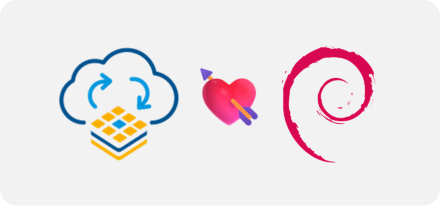
Debian based OSTree distro Torizon Platform supported
PhobOS, a Debian-based OSTree Linux distribution designed for support Torizon Platform. In this blog post I want to unveil the main features of PhobOS and what is the vision of the future of this project.
If there is already Torizon OS why PhobOS?
Torizon OS is built by Yocto. Yocto is not simple to use, and it is not easy to develop applications for it. Torizon ecosystem solve this by providing a set of tools to make it easier to develop applications, mainly by using Docker containers. But, still, containers can be a layer of complexity for some developers. Although there is no overhead in using containers, it is still need a development mentality shift.
If you would like to customize Torizon OS further, Toradex provides all the Yocto layers needed to build a custom image, but it requires knowledge of Yocto.
Say NO to Yocto!
PhobOS is not built with Yocto/Open Embedded, it is built by Gaia Build System. Gaia Build System is a build system that allows you to build Debian-based images, using Debian tools and packages. It’s was designed to be simple and easy to use. Make experiments at OS level design should not be hard, and Gaia was designed with this on mind. In the next posts I will be writing more about Gaia Build System features.
To build PhobOS you can use the PhobOS Gaia cookbook. It provides a set of recipes (cookbook in the Gaia build System terminology) to build PhobOS images, from the BSP (Board Support Package) to the root filesystem.
You can develop your application using the same tools you are already used to develop for Debian/Ubuntu, using apt-get install, and then reproduce them using Opus, the PhobOS customization tool, to create production image with your application included. As soon you have the system production ready, you can use Opus to commit the OS status, push this system as an OSTree package to Torizon cloud and use it to deploy secure over-the-air updates.
What is the current status of PhobOS?
PhobOS is still in its early stages, but it is already functional. The current version is based on Debian Bookworm, and it’s not only an OS, but a complete ecosystem for embedded Linux development. It includes a set of tools and features that make it easy to develop, build, and deploy applications for embedded devices:
- Secure OTA Update OS Image
- Secure OTA Update Container App
- Debian package based development
- Torizon RAC (Remote Access Control)
- Torizon VS Code Extension Support
- SDK Debian Based Containers (PergamOS)
- Opus (PhobOS customization tool)
- Emulator Manager
PhobOS supports Docker containers, because the main goal is to be a platform fully compatible with Torizon Ecosystem. But is not the reccomended way to develop applications for PhobOS. The recommended way is to develop applications using Debian packages, and then use Opus to create a custom image with your application included.
There is a lot of work to be done, but the main features are already implemented. The next steps are to improve the documentation and add missing features, such as:
- SBOM (Software Bill of Materials)
- CVE-AA (Common Vulnerabilities and Exposures Analysis Agent)
- SUB (Sealed Unified Bootloader)
- SEA (Sealed Environment Attestator)
- Secure remote in field debug with VS Code
Hardware Supported
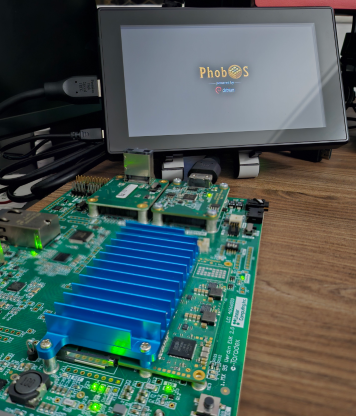
PhobOS is currently supported on the following hardware:
- NXP i.MX95 Toradex Verdin Evaluation Kit
- Generic x86_64 hardware (Intel/AMD)
- Raspberry Pi 5
Virtualization Supported
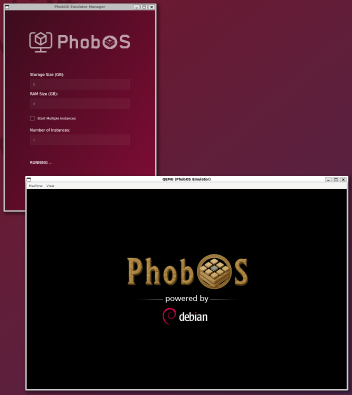
There is also optimized images for virtualization, allowing you to run PhobOS through PhobOS Emulator Manager, which supports:
- QEMU (x86_64)
- QEMU (aarch64)
This is great to developers evaluate PhobOS and develop applications for it without the need of a physical device. The Emulator Manager provides a simple interface to manage the virtual machines, allowing you to start, stop, and configure them easily.
Conclusions
PhobOS is in the early stages of development, it leverage the power, stability and security of Debian plus support for the secure OTA updates provided by Torizon Platform. It aims to provide a simple and easy-to-use environment for embedded Linux development, without the complexity of Yocto.
In the next posts I will be writing more about the PhobOS features, how to use it, and how to develop applications for it. The goal is to make PhobOS a complete ecosystem for embedded Linux development, with a focus on simplicity and ease of use.